




Residential Interior Painting for Walls, Ceilings, Trim, Cabinets, and More
Interior painting can make a room feel cleaner, brighter, calmer, or simply more like home. Groovy Hues Painting of Philadelphia helps homeowners update walls, ceilings, trim, doors, cabinets, plaster, and other interior details with a plan built around surface condition, room use, and the finish they want.
Residential Interior Painting at a Glance
- Walls, ceilings, trim, doors, and architectural details
- Cabinet and vanity painting
- Wallpaper removal, drywall repair, and plaster preparation
- Paint-finish and color guidance
- Planning for occupied homes, children, pets, and daily routines
Interior painting scope
Residential Interior Painting for Rooms and Whole-Home Projects
A single bedroom and a whole-home repaint need different plans, but both start with the same question: what do the existing surfaces need before the new finish goes on?
Residential interior painting can refresh one room, connect several spaces with a more cohesive palette, finish a renovation, prepare a home for sale, or make a new place feel like yours before you settle in.
Surface condition, room use, and day-to-day routines can shape the planning for our residential painting services, especially when several connected areas are being updated at once.
Our interior team looks beyond square footage. Drywall, plaster, older woodwork, glossy trim, previous repairs, wallpaper, cabinets, moisture exposure, and the amount of household activity can all change the preparation and coating plan.
Consolidated interior services
Residential Interior Painting Services We Provide
A room can look unfinished when only the largest surfaces are refreshed. Trim, doors, cabinetry and architectural details often shape how complete the finished space feels.
Walls, Ceilings, Trim, and Architectural Details
We paint walls, ceilings, baseboards, crown molding, wainscoting, window trim and sills, door frames, interior doors, built-ins, and other suitable painted details.
Cabinets, Vanities, Closets, and Doors
Cabinet and vanity painting can include cleaning, sanding or deglossing, priming, and a finish system selected for the surface and the wear it receives. Door and drawer handling depends on the project.
Wallpaper Removal, Drywall, and Plaster Repair
Older finishes and damaged walls may need wallpaper removal, adhesive cleanup, patching, localized drywall or plaster repair, smoothing, sanding, and priming before repainting.
Interior Brick, Stone, Stairs, and Railings
Interior masonry, stair components, railings, and other architectural surfaces need preparation and coating choices that match the material, previous finish, and condition of the surface.
Rooms and living spaces
Rooms and Living Spaces We Paint
Different rooms create different demands on paint. A quiet bedroom, a busy hallway, and a moisture-prone bathroom should not automatically receive the same finish or preparation plan.
Living and Family Rooms
Shared spaces often need a balance of appearance, cleanability, furniture protection, and color flow into adjoining rooms.
Bedrooms and Children’s Rooms
Color, light, cleanability, household routines, and how soon the room needs to return to use can influence product and scheduling choices.
Kitchens and Dining Areas
Cabinetry, trim, food preparation, frequent cleaning, moisture, and fixed finishes such as counters and tile can all affect the plan.
Bathrooms and Laundry Rooms
Ventilation, recurring moisture, previous coating condition, and cleanability matter more in rooms that regularly see humidity.
Hallways, Stairwells, and Entryways
These high-contact areas often show scuffs and wear sooner, especially on corners, railings, trim, doors, and hand-contact surfaces.
Home Offices, Basements, and Other Rooms
Finished lower levels, home offices, closets, utility spaces, and multi-purpose rooms can be planned around their actual use and existing surfaces.
Interior repainting triggers
When Home Interiors Need Repainting
Some projects begin with a color change. Others start because the existing finish is showing the life that has happened around it.
Scuffs, Stains, and High-Contact Wear
Hallways, doors, trim, entryways, kitchens, children’s spaces, and family rooms can collect marks and repeated cleaning wear faster than low-use rooms.
Peeling, Cracking, and Poor Adhesion
Loose paint, flaking, cracking, or a finish that is not bonding well can point to preparation, moisture, substrate, or previous-coating issues that need to be understood before repainting.
Repairs and Patchwork
Nail holes, dents, settlement cracks, drywall patches, plaster repairs, and mismatched touch-ups can leave surfaces looking uneven until they are prepared and recoated as a complete area.
Move-In, Pre-Sale, and Renovation Updates
Fresh paint can help unify rooms after repairs or renovation work, make a newly purchased home feel more personal, or give listing photos and showings a cleaner backdrop.
Active leaks, recurring moisture, mold, or failing substrates need to be addressed before repainting. A new finish cannot correct the underlying cause.
Interior substrates
Interior Surfaces and Substrates
The surface under the paint matters as much as the color on top of it.
Residential interiors can bring together drywall, plaster, plaster-on-lath, wood, MDF, cabinet finishes, brick, masonry, metal, glossy coatings, stained wood, and walls that were previously papered.
Each material responds differently to cleaning, sanding, repair, primer, and paint. Plaster can show cracks or previous patching. Glossy trim can need deglossing or bonding primer. Cabinet surfaces need a system built for adhesion and frequent handling. Porous brick or masonry behaves differently from drywall.
That is why surface assessment belongs near the beginning of the project rather than after the paint has already been selected.
Interior surface preparation
Surface Preparation, Wallpaper Removal, and Minor Repairs
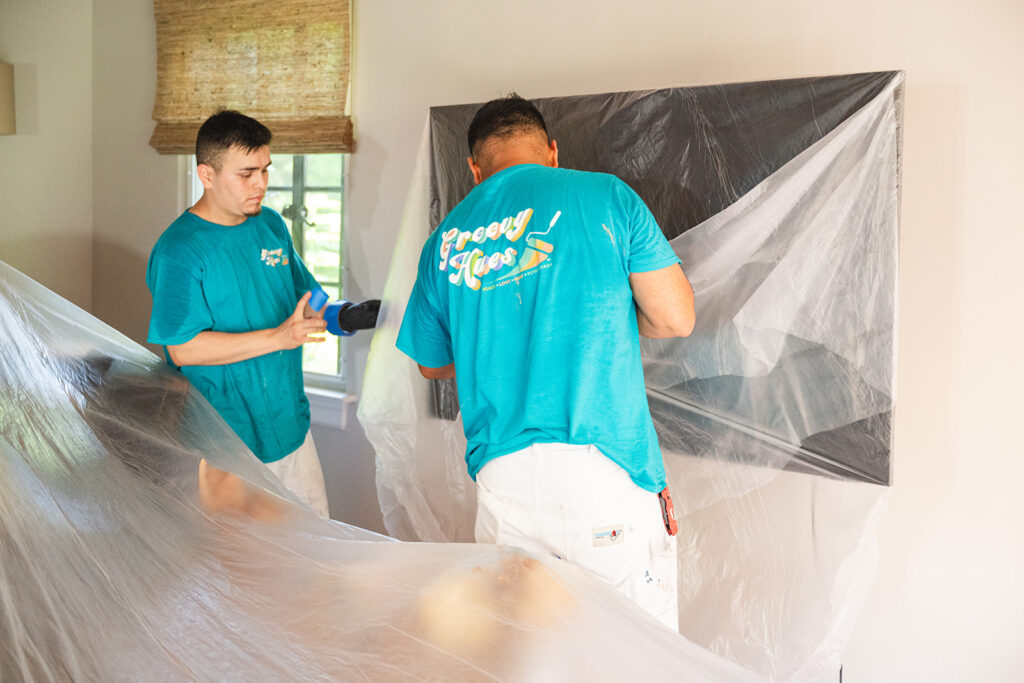
Preparation creates the surface the finish coat actually has to bond to. When old wallpaper, cracks, patchwork, glossy paint, or damaged drywall are part of the room, that work needs to be addressed before the final color takes over.
Protection and Cleaning
Wallpaper Removal and Wall Smoothing
Wallpaper removal can leave adhesive, torn facing paper, uneven texture, or other defects behind. The wall may need cleaning, patching, smoothing, sanding, and priming before repainting.
Drywall and Plaster Repairs
Sanding, Deglossing, Caulking, and Masking
Slick surfaces may need deglossing, trim joints can need appropriate caulk, and repaired areas need dust removal before primer or paint is applied.
Primer and adhesion
Primers, Adhesion, and Stain Blocking
Primer is not one universal extra coat. It has a specific job when the substrate, repair, stain, or previous finish needs it.
Fresh drywall and repaired areas can absorb paint differently from the surrounding wall. Glossy trim, cabinets, stained wood, porous masonry, and strong color changes create different adhesion and coverage needs.
Depending on the surface, the plan can call for drywall primer, a bonding primer, a stain-blocking primer, a porous-surface primer, or another compatible system. Water marks, tannins, smoke discoloration, and other stains may also need blocking before the finish coat is applied.
The goal is a coating system that matches the surface underneath it rather than relying on finish paint to solve every preparation problem.
Interior paint finishes
Interior Paint Finishes for Different Rooms and Surfaces
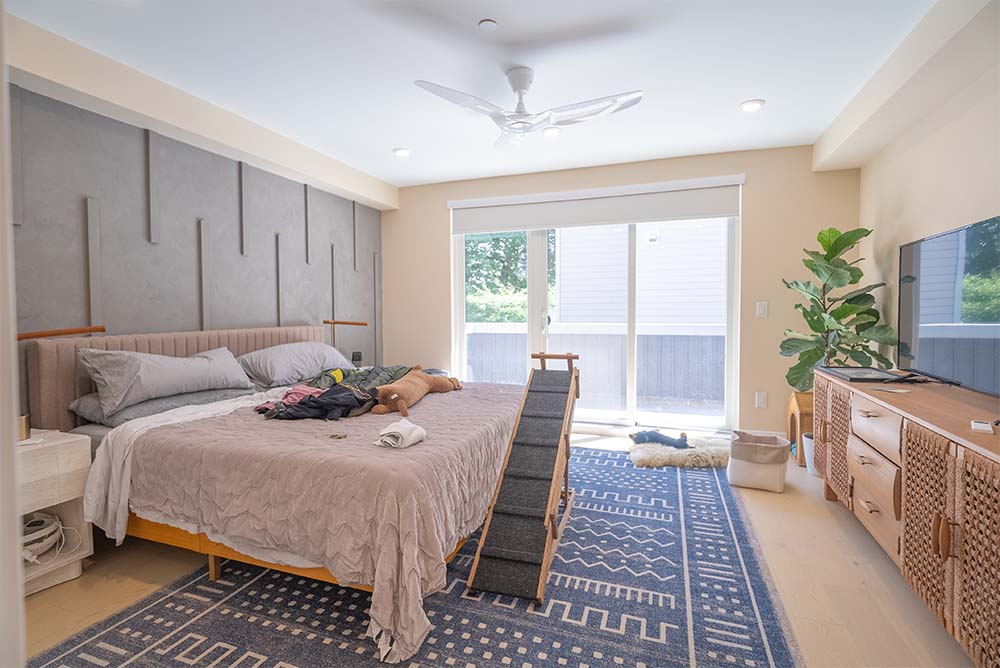
Sheen changes both the way a room looks and the way a painted surface behaves during daily use.
Flat and Matte
Lower-sheen finishes can create a softer appearance and reduce reflected light, but cleanability and room use still need to be weighed before selection.
Eggshell
Eggshell offers a slight sheen and is commonly evaluated where homeowners want a balance between appearance and easier cleaning.
Satin
Satin can suit higher-use areas where greater washability is useful, while its sheen can make wall texture and imperfections more noticeable.
Semi-Gloss and Higher Sheens
Higher-sheen finishes are often considered for trim, doors, and other frequently touched surfaces where cleanability and visual definition matter.
High-use rooms
Painting High-Traffic, Frequently Cleaned, and Moisture-Exposed Rooms
The busiest parts of a home ask more from a finish. Paint in a quiet guest room does not face the same cleaning, hand contact, humidity, or daily wear as a kitchen, hallway, bathroom, or children’s space.
Kitchens and Family Spaces
Frequent activity, food-related marks, hand contact, and repeated cleaning can make washability and stain resistance important considerations.
Bathrooms and Laundry Areas
Moisture and ventilation need attention before coating selection. Paint can support a sound surface, but it should not be used to hide recurring leaks or unresolved moisture problems.
Hallways, Stairwells, and Entryways
Children’s and Pet-Access Areas
Cleanability, stain resistance, touch-up expectations, and room return-to-use can matter more where surfaces see frequent contact.
Interior color selection
Interior Paint Colors and Color Selection
A color has to work in your actual room, not only on a small swatch under showroom lighting.
Natural light, artificial lighting, room size, adjoining spaces, flooring, tile, countertops, cabinetry, furniture, woodwork, trim, and ceiling color can all change how a paint color reads once it covers a full wall.
Whole-home projects also need transitions between rooms to feel intentional. Accent walls, trim contrast, cabinet colors, and sheen can all change the balance of the palette.
Groovy Hues includes a professional color consultation with qualifying signed painting projects. The consultation supports the painting project and is not offered as a standalone service.

Occupied-home planning
Painting an Occupied Home
Interior painting happens around real life. A good plan accounts for the rooms you still need, the belongings that need protection, and the people and pets moving through the home.
Furniture, Floors, and Belongings
Room Sequencing and Daily Access
Children, Pets, and Wet Surfaces
Household routines, work zones, drying areas, and access can be discussed before the project starts so everyone knows which rooms are available and when.
Ventilation and Daily Cleanup
Ventilation, odor expectations, product drying, and end-of-day cleanup can make a multi-day interior project easier to manage.
Interior painting process
Our Residential Interior Painting Process
A clear sequence helps you understand what has been assessed, what is included, and when each room is ready for the next stage.
1. Consultation and Estimate
We review the rooms, surfaces, repairs, access, and the changes you want to make so the estimate reflects the actual project.
2. Color, Finish, and Scheduling
Colors, sheens, room order, household routines, and any special surface needs are worked into the plan before painting begins.
3. Protection and Preparation
We protect the work area, prepare the included surfaces, and complete the agreed wallpaper removal, patching, sanding, caulking, or minor repairs.
4. Priming and Painting
Primer is used where the surface needs it, followed by the planned finish coats and detail work.
5. Inspection, Cleanup, and Walkthrough
Finished areas are reviewed, touch-ups are completed as needed, work areas are cleaned, and the project is walked through with you.
Interior painting estimates
Residential Interior Painting Cost Factors
The same number of rooms can produce very different scopes when ceilings, trim, cabinets, repairs, wallpaper, and surface condition change.
Interior painting cost can change with room size, wall and ceiling area, ceiling height, the amount of trim and doors, cabinet scope, substrate condition, wallpaper removal, drywall or plaster repair, preparation, primer needs, color changes, and the finish system selected.
Furniture movement, room access, intricate architectural details, and how the work needs to be sequenced in an occupied home can also affect labor and timing.
A project-specific estimate is more useful than a generic per-room figure because it reflects the surfaces and preparation your home actually needs.
rProject duration and room order
Interior Painting Timelines and Room Sequencing
Duration depends on more than paintable wall area. Preparation, repairs, wallpaper removal, cabinet work, primer, coat count, drying, cure time, and household access all affect how quickly rooms can move from preparation to normal use.
Single-Room Projects
Multi-Room and Whole-Home Interiors
Connected rooms can be staged around sleeping spaces, kitchens, bathrooms, work-from-home needs, move-in dates, or other household priorities.
Drying, Recoating, and Cure
Products need appropriate time between coats and before normal cleaning or heavy use. Indoor temperature, humidity, ventilation, and product requirements can affect that timing.
Cabinets and Detailed Surfaces
Cabinet doors, drawers, trim, railings, and other detailed elements can follow a different preparation and finish schedule from broad wall surfaces.
Interior paint maintenance
Interior Paint Maintenance and Touch-Ups
The rooms you touch, clean, and use most often will usually show wear before the quieter parts of the home.
Cleaning methods should match the coating and its cure state. Hallways, doors, trim, kitchens, children’s rooms, and other high-contact areas can need touch-ups or future repainting sooner than bedrooms or low-use spaces.
Recurring moisture, leaks, substrate movement, or new wall damage should be corrected before repainting the affected area. Keeping the paint color and product information can also make future touch-ups easier when a repair is small enough to blend successfully.
Groovy Hues provides a five-year limited workmanship warranty, subject to the published terms and exclusions.
Philadelphia interior painting
Residential Interior Painting for Older Philadelphia Rowhomes and Pre-1978 Homes
Older Philadelphia interiors can combine plaster, woodwork, previous repairs, layered coatings, wallpaper history, and newer replacement materials in the same room. Those conditions can make preparation more important than the age of the house alone.
Plaster-on-Lath Walls and Ceilings
Many older rowhomes use plaster over wood lath. Cracks, localized loose areas, prior patching, texture differences, and transitions to newer drywall can affect how the surface is repaired and prepared before painting.
Traditional Wood Trim and Solid-Wood Doors
Older homes can include substantial baseboards, window and door trim, paneled doors, railings, and other woodwork with several generations of stain, varnish, or paint underneath the current finish.
Layered Coatings and Mixed Interior Surfaces
Renovations over time can leave old and new materials next to one another. Adhesion, porosity, repair texture, and existing sheen may need to be balanced before the room receives a uniform finish.
Pre-1978 Homes and Lead-Safe Preparation
Paid renovation, repair, or painting work that disturbs qualifying painted surfaces in pre-1978 housing can fall under EPA Renovation, Repair and Painting requirements. Scraping, sanding, and repair work are especially relevant because they can disturb existing paint.

Local service area
Areas We Serve
Check whether your property falls within our current service area before you plan your project.
View All Service Areas
Related painting services
Related Painting Services
If your project also includes the exterior of your home or a commercial property, these related painting services may be useful.
Residential Exterior Painting
We prepare and paint siding, stucco, brick, wood, trim, doors, and other exterior surfaces, with coatings suited to the material and weather exposure.
Commercial Interior Painting
Our team paints walls, ceilings, trim, doors, and other interior surfaces in offices, retail spaces, common areas, and other commercial properties, with preparation and finishes suited to how the space is used.
Commercial Exterior Painting
We prepare and paint façades, masonry, stucco, wood, metal, siding, trim, and other weather-exposed commercial surfaces, with coatings chosen for the material and exterior conditions.


Happy Clients & Colorful Experiences
"The Groovy Hues team exceeded my expectations, the job was completed in a timely manner, cleanly and with great attention to detail! I recommend Groovy Hues if you are looking to get your house painted."


Residential Interior Painting FAQs
-
Can we stay in the home while rooms are being painted?
-
Do you move or protect furniture before painting?
-
Can you paint older plaster walls?
-
What happens after wallpaper is removed?
-
Is cabinet painting handled differently from wall painting?
-
How soon can we use a freshly painted room?
-
How do I choose the right paint finish?
-
What changes if my home was built before 1978?


