




Commercial Interior Painting for Offices, Retail, Hospitality, and Shared Spaces
A commercial interior can start to feel tired long before the space stops working. Groovy Hues Painting of Philadelphia helps businesses, property managers, institutions, and other managed properties refresh walls, ceilings, trim, doors, and architectural details while planning the work around how the space is used.
Commercial Interior Painting Planned Around Your Space
- Interior assessment and project scope
- Surface preparation and minor repairs
- Primer, paint and finish selection
- Protection for floors, furniture and equipment
- Scheduling around active areas where practical
Commercial interior painting scope
Commercial Interior Painting for Businesses and Managed Properties
Commercial interior painting should fit the way the property works, not force every space into the same plan.
Commercial interior painting can include occupied offices, customer-facing areas, common spaces, vacant suites, turnover work and interiors being updated as part of a renovation or tenant improvement.
Groovy Hues can prepare and paint walls, ceilings, doors, frames, trim and other interior features across business and managed properties. The scope depends on the surfaces, their condition, the finish you want and how the space needs to function while the project is underway.
Commercial interior applications
Commercial Interior Spaces We Paint
The way a space is used affects traffic, cleaning, access, appearance and scheduling. That is why an office corridor, restaurant dining room and medical waiting area can need different planning even when the project is all interior painting.
Repainting and touch-up needs
When Commercial Interiors Need Repainting, Touch-Ups, or Maintenance Painting
Some interiors need repainting because everyday use has worn down the finish. Others change because the property, tenant or business needs have changed.
Scuffs, stains and abrasion
High-traffic corridors, lobbies, doors and shared spaces can collect marks and visible wear faster than lower-contact areas.
Tenant turnover or renovation
New tenants, revised layouts and renovation work can leave patched surfaces, mismatched colors or connected areas that need a more consistent finish.
Peeling, bubbling or adhesion failure
Visible coating failure can point to moisture, contamination, incompatible coatings or another surface condition that should be assessed before repainting.
Customer-facing or employee-facing refreshes
A fresh interior can help restore a cleaner, more consistent appearance when the existing finish no longer reflects how the property is being used.
Interior surfaces and substrates
Commercial Interior Surfaces, Substrates, and Architectural Details
Commercial interiors can combine newer drywall, older plaster, painted masonry, woodwork, metal and several generations of previous coatings. The substrate and existing finish help determine how the surface should be prepared before new paint is applied.
Walls and Ceilings
- Drywall and gypsum board
- Plaster
- Previously painted walls
- Painted ceilings
- Interior concrete and masonry
Surface flatness, repairs, stains, previous sheen and coating condition can all affect preparation and the appearance of the finished surface.
Wood, Doors, Trim, Siding, and Composite Materials
- Interior doors
- Door and window frames
- Baseboards and trim
- Woodwork
- Columns and architectural details
These features often receive more direct contact than walls, so adhesion, finish durability and cleanability may carry extra weight.
Metal, Masonry, and Mixed Substrates
- Interior metal
- Painted block
- Painted concrete
- Painted brick
- Mixed old and new substrates
Existing coatings and substrate type can change whether cleaning, abrasion, repairs or a compatible primer is needed before repainting.
Interior painting preparation
Surface Preparation and Minor Repairs Before Commercial Interior Painting
Preparation plays a major role in how even the finished paint looks and how well it performs once the space is back in use.
1. Protect the Work Area
2. Clean and Assess Surfaces
3. Patch and Smooth Minor Damage
4. Sand, Caulk, and Prepare for Adhesion
The exact preparation needed depends on what we find when we assess your property, including the condition of the surfaces, the existing coatings and the scope of the project.
Primer and coating requirements
Commercial Interior Primers and Coating Performance Requirements
Primer and coating-system choices should respond to the surface, the existing finish and the conditions the painted area will face. The goal is to create a compatible system rather than choosing one primer or paint for every surface.
Bonding and Adhesion
Glossy, previously coated or difficult surfaces may need abrasion or a bonding primer to support the next coating system.
Stain-Blocking and Coverage
Water marks, discoloration, tannin or major color changes can affect whether stain-blocking or coverage-focused primer is appropriate.
Substrate Compatibility
Drywall, plaster, wood, metal and masonry can have different primer and coating requirements.
Moisture Exposure
Interior moisture conditions can affect coating performance, but recurring moisture should be understood before repainting rather than simply covered.
Odor Sensitivity and Occupancy
Product selection can account for ventilation, odor sensitivity and how the building will be used during and after painting.
Existing Coating Compatibility
The type and condition of the current finish can influence cleaning, sanding, priming and the system used over it.
Commercial paint finishes
Commercial Interior Paint Finishes, Sheen, and Cleanability
Finish and sheen change both appearance and maintenance. Higher-sheen coatings generally reflect more light and can offer greater cleanability, while lower-sheen finishes can reduce glare and make some surface imperfections less noticeable.
Flat
Low light reflection can suit selected ceilings or low-contact surfaces where a softer appearance is preferred.
Matte
A restrained sheen can work where appearance matters and the surface does not need the same cleaning performance as higher-contact areas.
Eggshell
A modest sheen can balance appearance and cleanability for many wall applications, depending on the coating and how the space is used.
Satin
Greater cleanability and a more noticeable sheen can make satin useful for busier areas that need more regular maintenance.
Semi-Gloss
A more reflective finish is commonly useful on doors, trim and other high-contact surfaces where cleaning is a priority.
No single sheen is automatically the right choice for every office, corridor, lobby or medical space. Surface condition, traffic, cleaning frequency, light and the required appearance all need to be weighed together.
Commercial interior paint colors
Commercial Interior Paint Colors and Color Selection
Lighting, flooring, fixtures, architecture and the way a space is used can all change how a color looks once it covers a larger wall area. Color selection works best when those relationships are reviewed together rather than choosing from a swatch in isolation.
Signed painting projects can also include a professional color consultation to help compare colors and finishes against the actual space before final selections are made.
- Natural and artificial lighting
- Existing flooring, fixtures and finishes
- Space function and customer experience
- Established color palettes
- Contrast between walls and trim
- Finish and sheen alongside col
Occupied commercial interiors
Commercial Interior Painting in Occupied and Active Spaces
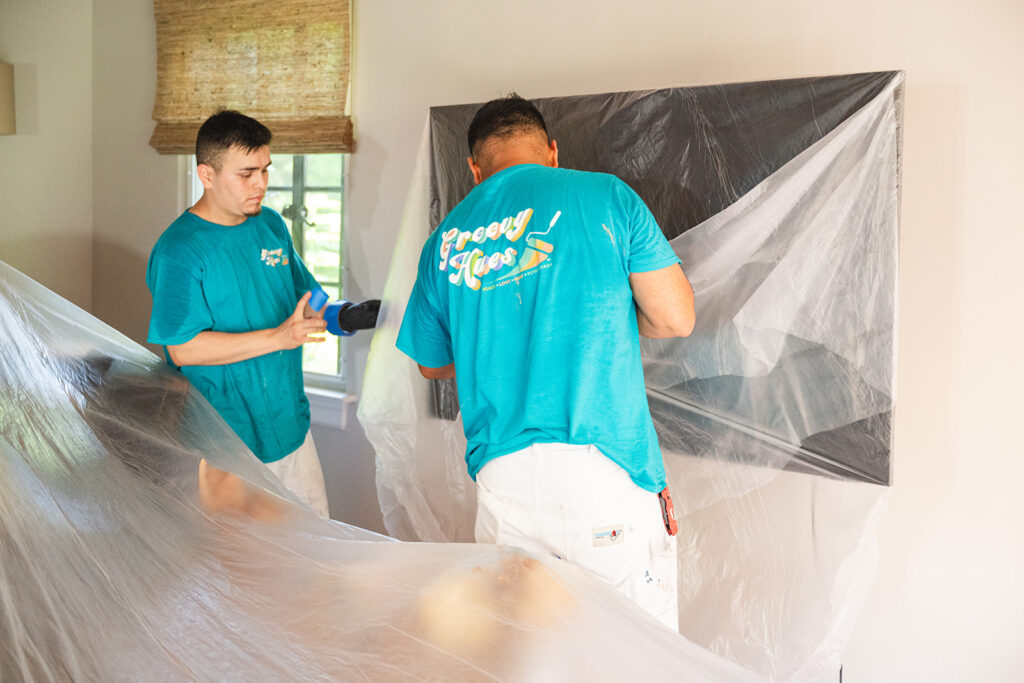
Interior painting often has to happen while the property still has a job to do. Employees may be working, customers may be arriving, residents may be using common areas or equipment may need to remain accessible.
Work Zones and Access
Furniture and Equipment Protection
Ventilation and Daily Cleanup
For active properties, our commercial painting services can be planned around operating hours, customer access, staff movement and other day-to-day activity.
Commercial interior painting process
Our Commercial Interior Painting Process
A clear process helps you understand what is being painted, what preparation is included and how the work will move through your property before the first coat goes on.
1.Consultation and Interior Assessment
We review the spaces you want painted, the surface condition, how the property is used and the result you want to achieve.
2. Scope, Finish, and Schedule
You get a clearer project scope covering included areas, preparation needs, coating choices and scheduling factors.
3. Protection and Surface Preparation
We protect the work area and complete the cleaning, patching, sanding, caulking or priming included in the approved scope.
4. Interior Paint Application
The selected coating system is applied across the approved surfaces in the planned sequence.
5. Review, Cleanup, and Walkthrough
We review the completed areas, handle included touch-ups, clean the work area and walk through the finished scope with you.
Commercial interior painting estimates
Commercial Interior Painting Cost Factors
Commercial interior painting costs depend on the work behind the visible square footage.
A mostly vacant suite with sound walls is a different project from an occupied interior that needs repairs, multiple colors, careful protection and several coating requirements. Your estimate should reflect the condition and logistics of the actual property.
Interior project timing
Commercial Interior Painting Timelines, Drying, Recoating, and Return-to-Service Timing
Project duration and return-to-service timing depend on the scope, surface preparation, coating system and drying conditions. The schedule should be based on the actual project rather than a blanket number of days.
Project Size and Preparation
More rooms, higher ceilings, repairs, sanding and additional preparation can extend the amount of work required before painting is complete.
Drying and Recoat Time
Each coating has its own drying and recoat requirements, which can change with temperature, humidity, ventilation and surface type.
Number of Coats and Coating System
Primer, major color changes, specialty substrate needs and the number of finish coats can all affect the project sequence.
Return to Service
Dry-to-touch, recoat and full-cure times are not the same. How quickly an area can return to normal use depends on the coating and how that space will be used.
Commercial interior maintenance
Commercial Interior Maintenance, Touch-Ups, and Repainting Planning
After the project, routine care can help the interior stay consistent and make future touch-ups easier to manage.
Watch High-Wear Areas
Doors, corners, corridors, lobbies and other high-contact areas can show scuffs and marks before lower-traffic walls do.
Keep Paint and Color Records
Knowing the color, sheen and coating used on each area can make future touch-ups and small maintenance projects easier to match.
Plan Around Surface Condition
Touch-ups can help with localized wear, but recurring stains, peeling or moisture-related problems should be assessed before another coat is added.
Philadelphia interior considerations
Commercial Interior Painting for Older and Historic Philadelphia Properties
Some Philadelphia commercial interiors combine older materials with later repairs, alterations and newer fit-outs. When that is the case, the painting plan needs to respond to the actual surfaces rather than treating the building as one uniform substrate.
Older Plaster, Woodwork, and Mixed Substrates
Lead-Safe Work in Covered Pre-1978 Properties
Paid painting and preparation that disturbs paint in certain pre-1978 target housing or child-occupied facilities can fall under EPA lead-safe requirements. Covered work can require additional containment, cleaning and work-practice steps.
Specifically Designated Historic Interiors
Philadelphia historic review is usually focused on exteriors, but a small number of interiors are specifically designated. If your project involves one of those protected interiors, the registered scope may need to be checked before work alters historic material or features.

Local service area
Areas We Serve
Check whether your property falls within our current service area before you plan your project.
View All Service Areas
Related painting services
Related Painting Services
If your property also needs interior work, or you are planning painting for a residential property, these related services may be useful.
Commercial Exterior Painting
We prepare and paint façades, masonry, stucco, wood, metal, siding, trim, and other weather-exposed commercial surfaces, with coatings chosen for the material and exterior conditions.
Residential Interior Painting
Groovy Hues paints walls, ceilings, trim, doors, cabinets, and other interior surfaces, with preparation and finishes chosen for the room and surface condition.
Residential Exterior Painting
We prepare and paint siding, stucco, brick, wood, trim, doors, and other exterior surfaces, with coatings suited to the material and weather exposure.


Happy Clients & Colorful Experiences
"The Groovy Hues team exceeded my expectations, the job was completed in a timely manner, cleanly and with great attention to detail! I recommend Groovy Hues if you are looking to get your house painted."


Commercial Interior Painting FAQs
-
Can painting continue while employees or customers are in the building?
-
Do you move or protect office furniture and equipment?
-
Can previously painted plaster, brick, or other coated surfaces be repainted?
-
How are ventilation and paint odor handled in occupied spaces?
-
Can different parts of a commercial interior be completed in stages?


