



Residential Exterior Painting for Siding, Masonry, Stucco, Trim, and More
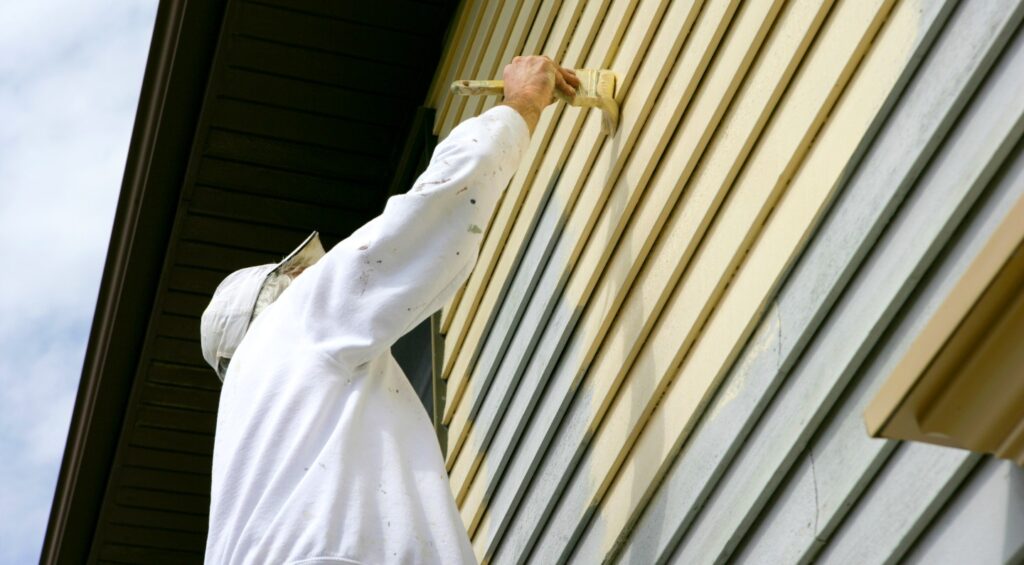
Exterior paint has to do more than improve curb appeal; it also has to work with the material underneath and the weather it faces. Groovy Hues Painting of Philadelphia helps homeowners refresh siding, brick, stucco, trim, doors, window details, decks, railings, and other suitable exterior surfaces with preparation and coatings matched to their condition and exposure.
Residential Exterior Painting at a Glance
- Siding, brick, stucco, trim, doors, and windows
- Decks, porches, fences, railings, and garage elements
- Washing, scraping, sanding, caulking, and priming
- Paint, stain, limewash, and compatible coating systems
- Weather, moisture, access, and older-home considerations
Exterior painting scope
Residential Exterior Painting for Whole-Home and Targeted Exterior Projects
Some homes need a full exterior repaint. Others need focused work on siding, trim, doors, masonry, decks, or another weather-exposed area.
Residential exterior painting can refresh a tired façade, restore color after years of sun and weather, support routine maintenance, finish a renovation, or help a home look more polished before it goes on the market.
Surface condition, exposure, access, and the way a property is built can shape the planning for our residential painting services, especially when older materials or several exterior substrates meet on the same home.
We look at what is already on the surface, how well it is holding up, whether moisture or failed caulk is present, and what the new coating needs to bond to before the project moves forward.
Consolidated exterior services
Residential Exterior Painting Services We Provide
A home exterior often combines materials that age and weather differently. Planning the work together helps the finished project feel cohesive without treating every surface the same way.
Whole-Home Exterior Repainting
A full exterior repaint can bring several painted surfaces into one coordinated scope, with preparation and coating decisions matched to each material rather than treating the whole house as one uniform surface.
Masonry Painting and Limewash
Previously painted masonry and suitable limewash projects need a finish system that accounts for porosity, moisture movement, existing coatings, and the condition of the underlying brick, stone, or stucco.
Exterior Staining and Wood Maintenance
Stained wood surfaces can need cleaning, weathered-finish removal, surface preparation, and a compatible stain or coating system based on exposure and the condition of the wood.
Targeted Exterior Repainting
Not every project needs the entire home repainted. Maintenance work can focus on weathered elevations, trim, doors, railings, porch details, or other areas that need attention sooner.
Exterior building components
Exterior Building Components We Paint
The outside of a home is made up of many separate elements, and each one can age differently depending on exposure, material, and how water moves around it.
Siding, Façades, Gables, and Dormers
Broad exterior wall areas often make up most of the paintable surface and set the main color direction for the home.
Trim, Fascia, Soffits, and Decorative Details
Trim can receive more edge exposure, joint movement, and hand-detail work than large siding areas, which can make preparation especially visible.
Doors, Shutters, Windows, and Garage Doors
Porches, Columns, Decks, and Railings
Horizontal surfaces, handrails, balusters, and porch details can face water, foot traffic, abrasion, and repeated seasonal movement.
Fences, Gates, and Other Exterior Details
Wood and metal fencing, gates, and smaller architectural elements can be incorporated when their condition and coating needs fit the project scope.
Brick, Stucco, and Painted Masonry Areas
Masonry components need special attention to porosity, moisture, previous coatings, cracking, efflorescence, and compatible finish systems.
Exterior substrates
Exterior Surfaces and Substrates
Two homes can have the same color scheme and still need very different preparation because the materials underneath the paint are different.
Wood and Previously Painted Wood
Wood can absorb moisture, move with seasonal conditions, expose bare grain, and show failed edges where old coatings have loosened.
Fiber Cement, Vinyl, and Aluminum Siding
Repainting depends on surface condition, previous finishes, compatibility, cleaning, adhesion, and whether the selected coating is appropriate for the siding material.
Brick, Masonry, Stucco, and Concrete
Porosity, moisture movement, existing paint, efflorescence, cracking, and breathability can all matter before masonry or stucco is recoated.
Metal and Previously Coated Components
Rust, corrosion, factory finishes, old coatings, and adhesion can change the cleaning, sanding, priming, and coating plan for metal surfaces.
Exterior repainting triggers
When Home Exteriors Need Repainting or Maintenance Painting
Exterior paint and stain usually give warning signs before the finish has failed everywhere. Catching those signs can make it easier to plan maintenance around the actual condition of the surface.
Peeling, Flaking, Cracking, or Blistering
Loose or broken coatings can expose the substrate and often mean the next project needs more than a quick topcoat.
Fading, Chalking, and Uneven Color
Sun, rain, age, and previous coating quality can leave elevations looking dull, powdery, or noticeably different from one another.
Failed Caulk, Bare Wood, Rust, or Weathered Stain
Open joints, exposed substrate, corrosion, or worn stain can signal that maintenance is due before water and weather have more opportunity to affect the material.
Efflorescence, Stucco Cracks, and Moisture Staining
Masonry and stucco can show signs that need to be understood before coating. Paint should not be used to cover unresolved water entry, failing masonry, or structural problems.
Exterior preparation
Exterior Surface Preparation and Minor Repairs
A durable exterior finish starts with a surface that is clean, dry, sound, and ready to accept the next coating.
1. Washing and Surface Cleaning
Soft washing or pressure washing may be used where suitable to remove dirt, chalk, mildew residue, and other contamination. Older or vulnerable materials need a gentler approach.
2. Scraping, Sanding, and Feathering
Loose paint can be removed, rough edges smoothed, and transitions feathered so the remaining coating and exposed substrate are better prepared for primer and finish coats.
3. Caulking and Minor Paint-Ready Repairs
Failed caulk can be removed and suitable joints recaulked. Localized wood, stucco, or surface defects may also need repair when they are within the agreed painting scope.
4. Metal and Masonry Preparation
Rust, corrosion, efflorescence, loose material, and inappropriate previous coatings need substrate-specific preparation before repainting.
The exact preparation needed depends on what we find when we assess your home, including the material, the existing coating, the surface condition and the areas included in the project.
After washing or wet cleaning, surfaces need enough time to dry before coating. Applying paint over trapped moisture can create adhesion and durability problems.
Exterior coating systems
Primers, Paints, Stains, Limewash, and Exterior Coating Systems
The right exterior system depends on what the surface is made from, what is already on it, and how that part of the home is exposed.
Bare wood, stained wood, painted masonry, stucco, metal, factory-finished siding, and previously coated trim do not automatically use the same primer or finish system.
The project may call for a wood primer, bonding primer, stain blocker, masonry primer, metal primer, exterior acrylic coating, breathable masonry coating, stain, limewash, or another compatible system. Product selection should follow the substrate, previous coating, moisture behavior, color, sheen, and manufacturer requirements.
That is especially important on older homes, where several generations of repairs and coatings can sit next to one another on the same façade.
Philadelphia exterior conditions
Weather, Moisture, UV, and Exterior Painting Conditions
Exterior painting has to work with the weather. Air temperature is only one part of the decision; surface temperature, humidity, rain, dew, direct sun, wind, and drying conditions can all affect when a coating should be applied.
Temperature and Surface Temperature
Paint manufacturers set application ranges for air and surface temperature. Cold surfaces, overheated sun-facing walls, and rapid temperature changes can all affect application and drying.
Rain, Dew, and Substrate Moisture
A surface can look dry while still holding moisture after rain or washing. Forecast precipitation and overnight dew also matter when enough drying time is needed before and after a coat.
Humidity, Wind, and Recoat Timing
Humidity and airflow can change how quickly coatings dry. Wind can also affect overspray control, debris, and surface conditions during application.
UV and Freeze-Thaw Exposure
Sun exposure can accelerate fading and coating wear, while trapped moisture in porous exterior materials can become more damaging when temperatures drop below freezing.
Exterior access and protection
Exterior Access, Protection, and Homeowner Logistics
A house exterior is also a lived-in property. Cars, doors, landscaping, pets, porches, neighbors, and narrow access can all affect how the work area is set up and protected.
Ladders, Height, and Tight Access
Multi-story walls, bay windows, stoops, porches, narrow rowhouse frontages, alleys, and compact yards can change staging and access.
Landscaping, Hardscape, and Outdoor Furniture
Plants, patios, walkways, railings, furniture, fixtures, windows, and nearby surfaces need appropriate protection before washing or coating begins.
Cars, Doors, Children, and Pets
Driveway access, entry doors, wet paint, work zones, and household routines can be discussed before the project starts so everyone knows what stays accessible.
Neighbors and Shared Property Lines
Attached homes and close property lines can make communication and controlled work areas especially important when exterior access is limited.
Exterior color selection
Exterior Paint Colors and Color Selection
Exterior colors have to work with the parts of the home that are not being painted, as well as the light and architecture around them.
Roof color, brick, stone, trim, doors, shutters, garage elements, porches, landscaping, and neighboring attached façades can all influence how an exterior palette comes together.
Sun exposure can also change how a color reads from one elevation to another and how quickly some colors appear to fade. Sheen, substrate texture, and existing masonry tones add another layer to the decision.
Groovy Hues includes a professional color consultation with qualifying signed painting projects. The consultation supports the painting project and is not offered as a standalone service.
Exterior painting process
Our Residential Exterior Painting Process
A clear sequence helps make weather, access, preparation, and coating decisions easier to understand before work begins.
1. Consultation and Exterior Review
We look at the surfaces, visible coating condition, access, areas you want included, and the changes you want to make.
2. Estimate, Color, and Coating Plan
The project scope reflects the components, preparation, repairs, colors, and coating systems involved.
3. Scheduling, Protection, and Washing
Work is scheduled around suitable conditions, and surrounding areas are protected before cleaning and drying.
4.Preparation, Priming, and Painting
Loose coatings, failed caulk, minor paint-ready defects, and other included preparation are addressed before primer and finish coats are applied where needed.
5.Inspection, Cleanup, and Walkthrough
Finished areas are reviewed, touch-ups are completed as needed, work areas are cleaned, and the completed project is walked through with you.
Exterior painting estimates
Residential Exterior Painting Cost Factors
Exterior cost depends on the surfaces and preparation your home actually needs, not only the square footage of the building.
Home size, stories, height, access, substrate condition, scraping, repairs, siding type, masonry or stucco work, trim detail, doors, railings, decks, primer needs, color changes, coating systems, and the number of colors can all affect the scope.
Protection requirements and weather-related scheduling can matter too, especially when work involves tight access, detailed elevations, or several different materials.
A project-specific estimate gives you a clearer picture because it reflects what the exterior needs before the finish coat goes on.
Project duration and weather
Exterior Painting Timelines and Weather Scheduling
Exterior timelines are shaped by preparation and weather as much as by the amount of paintable surface.
Washing and Drying
Preparation and Detail Work
Heavy scraping, failed caulk, multiple trim elements, railings, decks, windows, or localized repairs can extend the preparation stage.
Rain, Humidity, and Temperature
Weather can interrupt or delay exterior work when conditions fall outside the selected product’s requirements or do not allow the surface to dry properly.
Drying and Recoat Intervals
Primer, paint, stain, and other exterior products need their required drying and recoating windows before the next coat or normal use.
Exterior maintenance
Exterior Paint and Stain Maintenance
Exterior maintenance works best when you watch the coating and substrate rather than waiting for every elevation to fail at once.
Periodic checks can help you spot peeling, cracking, chalking, failed caulk, rust, moisture staining, exposed wood, or worn stain before those conditions spread.
Leaks, rot, failing masonry, and stucco problems should be repaired rather than covered with another coat. High-exposure south- and west-facing areas may also show weathering sooner than protected elevations.
Groovy Hues provides a five-year limited workmanship warranty, subject to the published terms and exclusions.
Philadelphia exterior painting
Residential Exterior Painting for Philadelphia Rowhomes, Masonry, and Historic Properties
Philadelphia’s exterior-painting context is especially relevant where attached rowhomes, older masonry, mixed façade materials, historic designation, or pre-1978 coatings change the way a project should be planned.
Rowhouse Brick, Mortar, and Moisture
Brick is common in Philadelphia rowhouses and is naturally porous. Deteriorated mortar, damaged brick faces, and trapped moisture can affect whether a wall is ready for coating and what type of system is appropriate.
Older Façades and Mixed Materials
One façade can combine brick, stone, stucco, wood, metal, trim, railings, porches, bay-window materials, and later repairs. Those materials may need different preparation rather than one coating approach across everything.
Historic Properties and Exterior Review
Properties on the Philadelphia Register of Historic Places can require Historical Commission approval for exterior changes. Review can include masonry painting or coating, façades, doors, shutters, railings, porches, steps, trim, and other exterior features.
Pre-1978 Homes and Lead-Safe Preparation
Paid renovation, repair, or painting work that disturbs qualifying painted surfaces in pre-1978 housing can fall under EPA Renovation, Repair and Painting requirements. Exterior scraping, sanding, or repair work can create that disturbance.
Philadelphia also has genuine freeze-thaw and year-round precipitation relationships. Moisture that becomes trapped in porous masonry can be especially damaging when temperatures fall below freezing, which is one reason breathable, compatible systems matter on suitable older masonry.

Local service area
Areas We Serve
Check whether your property falls within our current service area before you plan your project.
View All Service Areas
Related painting services
Related Painting Services
If your project also includes interior home surfaces or a commercial property, these related painting services may be useful.
Residential Interior Painting
Residential Interior Painting
Our team paints walls, ceilings, trim, doors, and other interior surfaces in offices, retail spaces, common areas, and other commercial properties, with preparation and finishes suited to how the space is used.
Commercial Exterior Painting
We prepare and paint façades, masonry, stucco, wood, metal, siding, trim, and other weather-exposed commercial surfaces, with coatings chosen for the material and exterior conditions.


Happy Clients & Colorful Experiences
"The Groovy Hues team exceeded my expectations, the job was completed in a timely manner, cleanly and with great attention to detail! I recommend Groovy Hues if you are looking to get your house painted."


Residential Exterior Painting FAQs
-
Can you paint brick on a Philadelphia home?
-
Can vinyl or aluminum siding be repainted?
-
How does rain affect exterior painting?
-
Do you paint or stain decks, fences, and railings?
-
What if my exterior has peeling paint or failed caulk?
-
Does a historic Philadelphia home need special approval before exterior painting?
-
What changes if my home was built before 1978?
-
How often should exterior paint be replaced?