



Commercial Exterior Painting for Façades, Masonry, Stucco, and Metal Surfaces
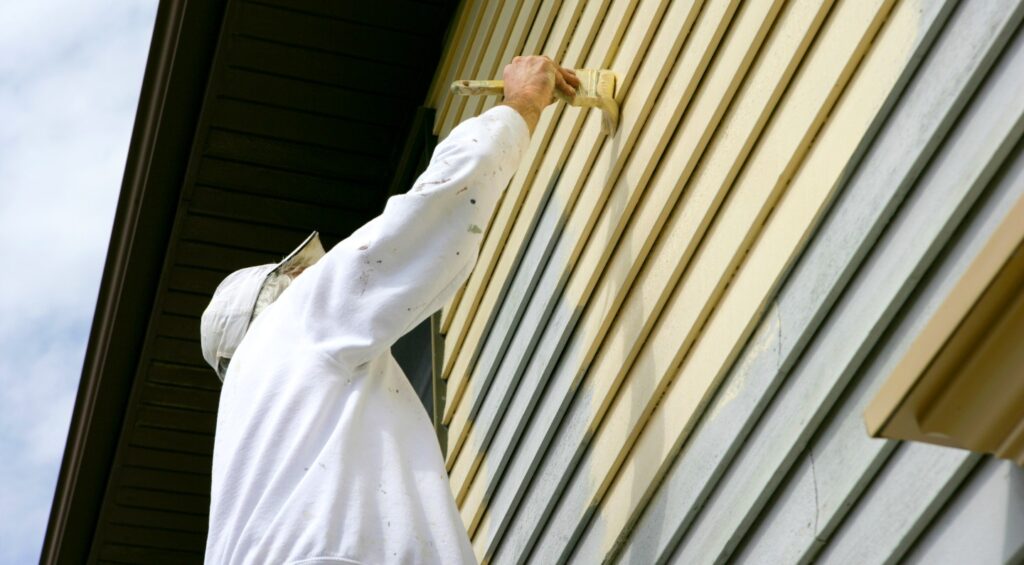
Commercial exteriors have to look professional while standing up to weather, access challenges, and daily property use. Groovy Hues Painting of Philadelphia helps businesses, property managers, institutions, multifamily communities, and other managed properties prepare and paint façades, exterior walls, doors, trim, railings, and other suitable surfaces.
Commercial Exterior Painting Project Scope
- Exterior assessment and project scope
- Surface preparation and painting-related repairs
- Primer, coating and finish selection
- Protection for entrances, pavement and adjacent surfaces
- Scheduling around active-property access where practical
Commercial exterior painting scope
Commercial Exterior Painting for Businesses and Managed Properties
A durable exterior finish starts with the building material, the coating already on it and the conditions around the property.
Commercial exterior painting covers the paintable outside surfaces that shape a property’s appearance and take the brunt of weather exposure. The work can range from a storefront refresh to a multi-elevation repaint across a managed commercial building.
Groovy Hues can prepare and paint façades, exterior walls, doors, trim, railings and other compatible surfaces. The scope depends on the substrate, existing coating condition, access, exposure and the areas that need to remain available while work is underway.
Exterior painting has its own demands around substrate condition, moisture, weather and access, especially when the work has to fit around an active commercial property.
Commercial exterior property types
Commercial Properties We Paint
Exterior painting needs change with the way a property is used. A storefront has different access and visibility concerns from a warehouse, school, medical building or multifamily community, even when the project involves similar coatings.
Property use can affect pedestrian routes, parking, loading, operating hours, lift placement and which parts of the exterior can be worked on at the same time. Site access and day-to-day operations become part of the project plan rather than an afterthought.
Exterior repainting and maintenance
When Commercial Exteriors Need Repainting or Maintenance Painting
Commercial exteriors may need repainting because the coating is failing, the substrate is showing wear, or the property itself is changing. The visible symptom matters because peeling paint, chalking, rust and moisture staining do not all point to the same preparation needs.
Peeling, flaking, blistering, or exposed substrate
Loose or lifting paint can indicate failed adhesion, moisture, age or another surface condition that should be assessed before fresh coating is applied.
Chalking, fading, or uneven appearance
Weathering and ultraviolet exposure can leave exterior coatings looking dull, powdery or inconsistent even before widespread peeling begins.
Rust, corrosion, efflorescence, or failed caulking
Metal corrosion, white mineral deposits on masonry and open joints can each point to preparation needs that painting alone should not hide.
Property refreshes, rebranding, renovations, or recurring maintenance
A repaint may also be driven by appearance goals, tenant changes, planned maintenance or a wider update to the building exterior.
Commercial exterior materials and components
Commercial Exterior Surfaces, Substrates, and Architectural Components
The material beneath the coating affects preparation, primer choice and the finish system. Commercial exteriors can also combine several substrates on one elevation, so each surface should be assessed on its own condition rather than treated as one uniform wall.
Brick, Masonry, Concrete, Block, and Stucco
- Previously painted brick and masonry
- Concrete and concrete block
- Previously coated stucco
- Masonry bands, piers and architectural details
- Mixed cementitious surfaces
Porosity, alkalinity, efflorescence, cracking, moisture movement and previous coatings can all affect whether repainting is appropriate and what preparation is required. Bare or historic masonry should not automatically be coated.
Wood, Doors, Trim, Siding, and Composite Materials
- Exterior wood trim and architectural woodwork
- Doors and frames
- Paintable siding
- Fiber-cement and compatible composite cladding
- Previously coated wood surfaces
Loose paint, open joints, exposed wood, weathering and moisture-related defects can change the amount of scraping, sanding, caulking and spot-priming needed before repainting.
Metal, Railings, Frames, Cornices, and Mixed Façades
- Ferrous metal and previously coated steel
- Galvanized and other compatible metal surfaces
- Railings, frames and architectural metal
- Cornices and exterior details
- Mixed-substrate façade assemblies
Rust, corrosion, surface contamination and coating compatibility can all affect how metal is cleaned, prepared and primed before finish coats are applied.
Exterior surface preparation
Surface Preparation Before Commercial Exterior Painting
Preparation has a direct effect on how well an exterior coating bonds and holds up against weather and daily exposure.
1. Wash and Clean the Exterior
Dirt, chalk, mildew, salts and other surface contamination can interfere with adhesion. Washing or pressure washing may be appropriate where the substrate and condition can safely tolerate it.
2. Remove Loose or Failing Coating
Peeling, flaking or poorly bonded paint may need scraping, sanding or edge-feathering so new coating is not applied over material that is already failing.
3. Address Minor Surface Defects and Open Joints
Included patching, minor surface repairs and caulking can help close appropriate gaps and prepare paintable areas, while larger moisture, structural or masonry problems may need separate correction.
4. Let Prepared Surfaces Dry Before Coating
Washing, rain, dew and moisture can leave exterior surfaces too damp to coat. Drying time and surface condition are checked before primer or paint is applied.
The exact preparation needed depends on what we find when we assess your property, including the substrate, the condition of the existing coating and the areas included in the project.
Exterior primers and coatings
Commercial Exterior Primers and Coating-System Requirements
Primer and coating selection should respond to the substrate, exposure and sound existing coatings. Adhesion, moisture, ultraviolet exposure, flexibility, corrosion and application conditions can all change what a suitable exterior system needs to do.
Bonding and Adhesion
Previously coated, glossy or difficult exterior surfaces may need abrasion, cleaning or a bonding primer before the finish system is applied.
Masonry and Alkali Conditions
Rust and Corrosion Control
Stains and Color Change
Staining, exposed repairs or a significant color shift can affect primer choice, coverage and the number of finish coats needed.
Weather and UV Exposure
Existing Coating Compatibility
The previous finish matters. New coating should be compatible with the substrate and sound existing layers rather than selected only by color or sheen.
Exterior paint colors and finishes
Commercial Exterior Paint Finishes and Color Selection
Exterior color has to work with the building rather than sit on top of it as an isolated choice. Existing brick, stone, roofing, metal, glass, signage and neighboring architectural finishes can all affect how a new palette looks once it covers a full facade.
Sheen and color also affect how a façade reads from the street and how easily selected surfaces can be maintained. Qualifying signed painting projects can include a professional color consultation when extra help with color selection is useful.
- Existing masonry and architectural materials
- Roofing, metal, glass and signage
- Established business color palettes
- Contrast between walls, trim and details
- Sun exposure and heat absorption
- Finish appearance alongside color
Exterior painting weather conditions
Weather, Moisture, and Commercial Exterior Painting Conditions
Exterior painting depends on more than the forecast icon for the day. Air temperature, surface temperature, humidity, recent rain, dew, direct sun, wind and drying conditions can all affect when a coating can be applied and how it cures.
Temperature and Surface Temperature
Rain, Dew, Humidity, and Drying Time
Rain, overnight dew, high humidity and recently washed surfaces can slow drying or leave moisture where coating should not yet be applied. The exterior needs enough drying time before work continues.
Sun, Wind, and Seasonal Conditions
Direct sun can heat some elevations quickly, while wind can affect spray control, drying and site protection. Philadelphia’s seasonal temperature swings also mean exterior schedules need flexibility rather than a blanket year-round assumption.
Active-property exterior logistics
Commercial Exterior Painting Around Entrances, Parking, Deliveries, and Business Operations
Exterior work often happens where customers enter, vehicles park, deliveries arrive and employees move through the property. A practical painting plan needs to account for those routes before ladders, lifts, protection or work-zones are set up.
Entrances and Pedestrian Routes
Work can be sequenced around doorways, sidewalks and customer access so the project plan reflects how people actually enter and move around the property.
2. Parking, Vehicles, and Adjacent Property
Vehicle locations, overspray risk, lift placement and nearby surfaces can affect masking, temporary protection and when specific exterior areas are available to paint.
3. Deliveries, Loading, and Work-Zone Phasing
Loading areas, scheduled deliveries and operational access can shape which elevations or building sections are completed first and when temporary restrictions make sense.
Access, work zones, and day-to-day activity all affect how our commercial painting services are scheduled across an active property. The project plan can account for entrances, deliveries and other areas that need to remain usable while work is underway.
Commercial exterior painting process
Our Commercial Exterior Painting Process
A clear exterior-painting process helps you understand what is included, how the building will be accessed and prepared, and how weather and daily property use will be handled before coating begins.
Consultation and Exterior Assessment
We review the areas you want painted, substrate condition, existing coatings, visible defects, access points and the result you want to achieve.
Scope, Coating, Access, and Schedule
You get a clearer project scope covering preparation, coating needs, access requirements, operating constraints and the conditions that can affect scheduling.
Site Protection and Surface Preparation
We protect adjacent areas and complete the washing, scraping, sanding, patching, caulking or priming included in the approved scope.
Exterior Coating Application
The selected coating system is applied under suitable conditions, with work sequenced around elevations, access points and the property plan.
Review, Cleanup, and Final Walkthrough
We review the completed exterior, handle included touch-ups, remove temporary protection and walk through the finished scope with you.
Commercial exterior painting estimates
Commercial Exterior Painting Cost Factors
Exterior pricing depends on the amount of paintable area and the work needed to reach a sound, coat-ready surface. Height, access, preparation, repairs, coating requirements and operating restrictions can matter as much as square footage.
A site-specific assessment lets the estimate reflect the actual elevations, substrates and access conditions rather than relying on a generic price per square foot.
Commercial exterior project timing
Commercial Exterior Painting Timelines and Application Windows
Project duration depends on the size of the building, the amount of preparation, how many elevations can be accessed at once, drying and recoat times, operating-hour restrictions and weather interruptions.
Preparation and Drying
Washing, scraping, repairs, caulking and primer can add time before finish coats begin. Absorbent materials may also need longer to dry after cleaning or rain.
Coats and Recoat Times
The coating system, color change, substrate and product instructions affect how many coats are needed and how long each coat must dry before the next one.
Access and Sequencing
Moving lifts, staging work zones and keeping entrances or loading areas available can affect how elevations are sequenced across the project.
Weather Interruptions
Rain, damp surfaces, unsuitable temperatures or other application conditions can pause exterior work even when the overall project plan is otherwise on schedule.
A consultation gives you a project-specific schedule based on your building rather than a fixed completion promise that ignores preparation, access and weather.
Exterior coating maintenance
Commercial Exterior Maintenance and Coating Life
Exterior coatings do not age evenly across every surface. Building orientation, sunlight, moisture, drainage, joints, horizontal ledges, doors, railings and the underlying substrate can all change where wear appears first.
Inspect High-Exposure Areas
Sunny elevations, exposed trim and weather-facing surfaces may show fading, chalking or coating wear earlier than shaded or protected areas.
Watch Moisture and Drainage
Leaks, standing water, failed sealant joints and recurring moisture can shorten coating life if the underlying condition is not addressed.
Address Rust and Joint Failure Early
Corrosion and failed caulking can spread beyond a small defect, making early maintenance useful before adjacent coating begins to fail.
Expect Different Materials to Age Differently
Metal, wood, stucco and masonry can respond differently to weather, movement and maintenance even when they were painted during the same project.
Plan Touch-Ups Carefully
Color, sheen, age and weathering can make spot repairs more noticeable, so touch-up suitability depends on the condition of the surrounding finish.
Avoid One Fixed Repaint Interval
Coating life depends on preparation, product compatibility, exposure, substrate, moisture and maintenance rather than one universal schedule for every building.
Philadelphia exterior considerations
Commercial Exterior Painting for Older and Historic Philadelphia Properties
Some Philadelphia commercial exteriors bring together older masonry, wood or metal with newer repairs and several generations of previous coatings. When that is the case, local weather, moisture movement and historic-property requirements can affect how repainting should be planned.
Older Masonry, Moisture, and Freeze-Thaw Exposure
Historic Facades and Exterior Review
Properties on the Philadelphia Register of Historic Places can have exterior-review requirements when work changes protected materials or appearance. Routine maintenance and repainting can be treated differently from alterations, so the property’s designation and proposed scope matter.
Lead-Safe Work on Covered Pre-1978 Properties
Paid exterior work that disturbs painted surfaces in certain pre-1978 target housing or child-occupied facilities can fall under EPA lead-safe requirements. When those rules apply, project planning can include additional containment, cleanup and work-practice requirements.

Local service area
Areas We Serve
Check whether your property falls within our current service area before you plan your project.
View All Service Areas
Related painting services
Related Painting Services
If your property also needs interior work, or you are planning painting for a residential property, these related services may be useful.
Commercial Interior Painting
Our team paints walls, ceilings, trim, doors, and other interior surfaces in offices, retail spaces, common areas, and other commercial properties, with preparation and finishes suited to how the space is used.
Residential Interior Painting
Groovy Hues paints walls, ceilings, trim, doors, cabinets, and other interior surfaces, with preparation and finishes chosen for the room and surface condition.
Residential Exterior Painting
We prepare and paint siding, stucco, brick, wood, trim, doors, and other exterior surfaces, with coatings suited to the material and weather exposure.


Happy Clients & Colorful Experiences
"The Groovy Hues team exceeded my expectations, the job was completed in a timely manner, cleanly and with great attention to detail! I recommend Groovy Hues if you are looking to get your house painted."


Commercial Exterior Painting FAQs
-
Can a commercial property stay open during exterior painting?
-
Can previously painted brick, stucco, concrete, wood, siding, and metal be repainted?
-
How long should exterior surfaces dry after washing or rain?
-
Can commercial exterior painting be completed during colder months?
-
What usually causes commercial exterior paint to peel?
-
How are lifts, ladders, and exterior access planned around an active property?